

Introduction
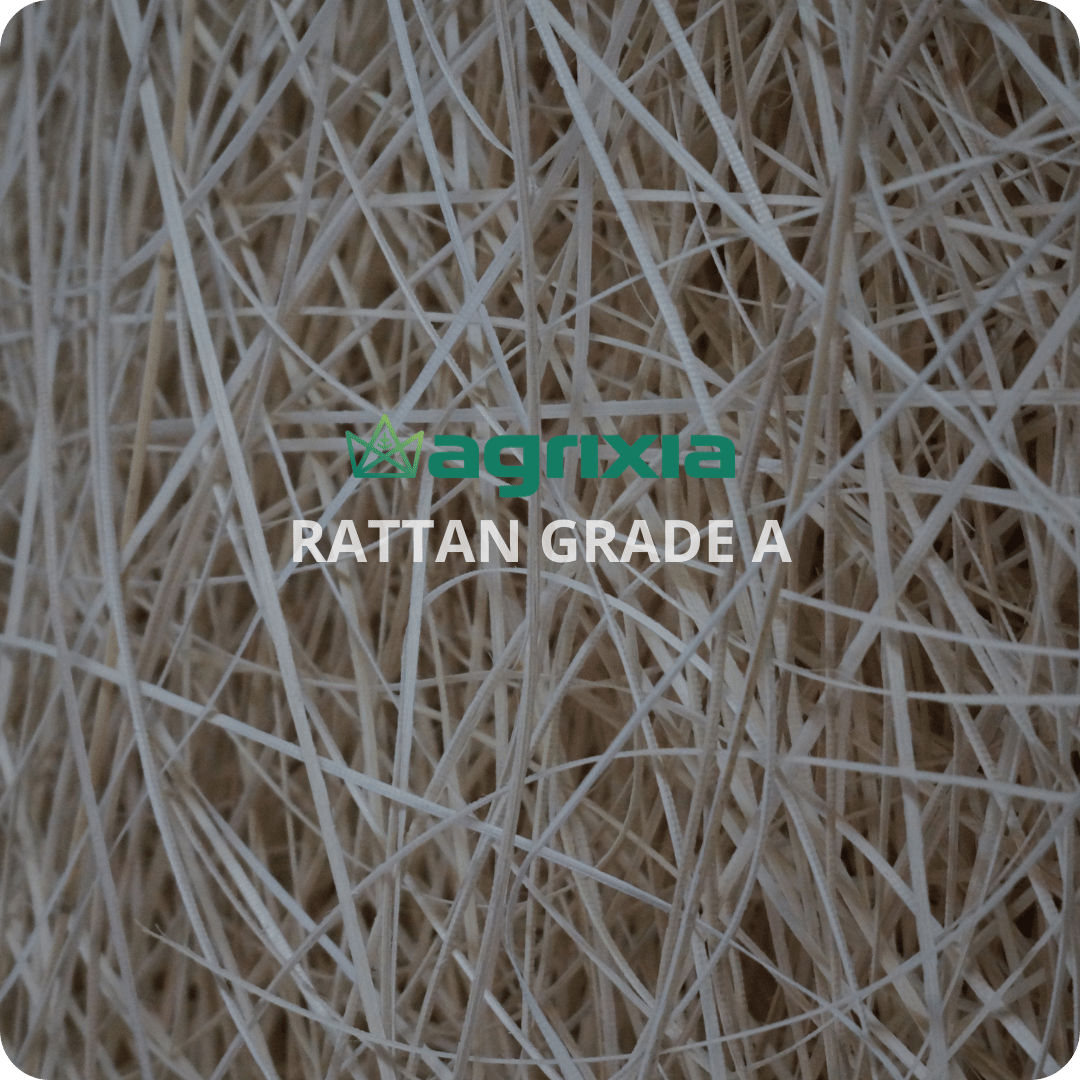
In a world where sustainability is no longer an option but a necessity, rattan emerges as a true natural miracle. Lightweight yet durable, flexible yet strong, rattan has been a part of human craftsmanship for centuries. Today, it is more than just a raw material it has become a symbol of sustainable living and eco-conscious design.
From handcrafted furniture to high-end interior projects, rattan webbing is winning the hearts of designers, architects, and consumers across the globe. But what makes rattan so special, and how can it shape a sustainable future for the global design industry? Let’s explore the journey of this miracle material.
Why Rattan is Called a "Miracle Material"
Rattan earns its “miracle” title not just because of its beauty but also because of its unmatched qualities:
- Rapid Growth and Renewability – Rattan grows much faster than hardwood trees, making it a highly renewable resource.
- Strength and Flexibility – Its unique structure allows it to be both strong and bendable, perfect for creative designs.
- Minimal Environmental Impact – Harvesting rattan does not require deforestation; in fact, it encourages forest preservation.
These traits make rattan an ideal choice for a world that values both design and sustainability.
Sustainability: The Core of Rattan’s Global Appeal
The global design industry is shifting toward eco-friendly materials, and rattan fits seamlessly into this movement. Sustainability is no longer a trend it is a requirement.
- Eco-Friendly Production – Rattan harvesting supports rural communities without damaging the ecosystem.
- Carbon Footprint Reduction – Compared to synthetic materials, rattan requires far less energy to process.
- Circular Economy Potential – Rattan products are long-lasting, biodegradable, and can be repurposed.
Because of these advantages, rattan webbing has become a premium choice for designers seeking both aesthetics and responsibility.
From Local Craft to Global Design Icon
In Indonesia, rattan weaving has been a heritage craft for generations. Skilled artisans transform raw rattan into intricate patterns that are both functional and beautiful.
Today, this craftsmanship is not just appreciated locally but celebrated globally. From luxury hotels in Dubai to modern apartments in New York, rattan webbing is now a hallmark of stylish, sustainable interiors.
Exporting Rattan for a Sustainable Future
To bring the miracle of rattan to the world, exporters must follow smart and responsible business practices:
1. Maintain High-Quality Standards
International buyers expect consistent quality smooth finishes, even weaving, and durability.
2. Highlight Sustainability Certifications
Certifications like FLEGT and eco-labels add credibility and appeal to conscious buyers.
3. Build Strong International Partnerships
Long-term relationships with buyers lead to repeat orders and brand trust.
4. Embrace Digital Marketing
Showcase products on global B2B platforms, social media, and professional websites to reach a wider audience.
The Future of Rattan in Global Design
As climate concerns intensify, the demand for sustainable materials will continue to grow. Rattan’s unique combination of beauty, strength, and eco-friendliness positions it as a timeless choice for the design world.
For Indonesia and other rattan-producing countries, this is more than a business opportunity — it is a chance to promote cultural heritage while protecting the planet.
Conclusio
The miracle of rattan lies not only in its physical properties but also in its ability to connect tradition, sustainability, and modern design. By embracing responsible harvesting, innovative craftsmanship, and smart export strategies, rattan can continue to shape the future of global design beautifully and sustainably.