

Introduction
In today’s design and furniture industry, sustainability is not just a trend it is a global requirement. As a result, eco-friendly materials are now at the center of attention. Among them, rattan webbing has taken center stage. Loved for its durability, flexibility, and natural beauty, rattan is one of the most sought-after materials in international markets. Therefore, it is worth exploring what drives this surge in global demand and why sustainability plays a crucial role.
What Makes Rattan Webbing Special?
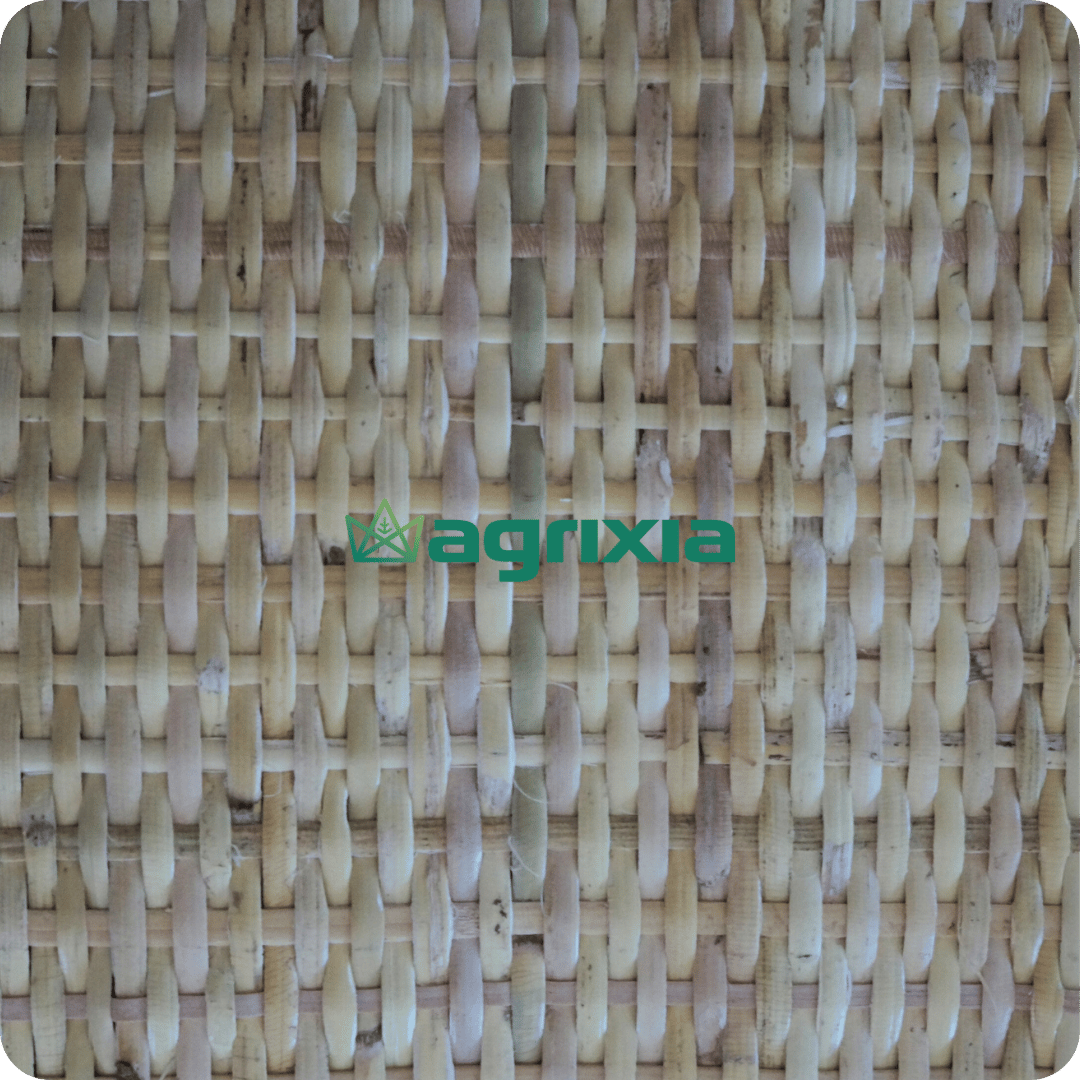
Rattan webbing is more than a decorative element. In fact, it combines traditional craftsmanship with modern design needs. Its popularity comes from several unique qualities:
- Eco-Friendly Growth – Rattan grows much faster than hardwood trees and is highly renewable.
- Durability & Flexibility – Strong yet bendable, perfect for creative furniture and interior projects.
- Low Environmental Impact – Harvesting rattan supports forest preservation rather than deforestation.
Because of these advantages, rattan is now seen as a miracle material for today’s eco-conscious world.
These features make rattan a miracle material for today’s eco-conscious world.
The Sustainability Factor in Global Demand
The global shift toward sustainable living has transformed rattan from a local craft into a premium export commodity. Moreover, sustainability is now the core reason behind its rising demand.
- Green Production – Rattan harvesting empowers rural communities without harming the ecosystem.
- Lower Carbon Footprint – Processing rattan requires far less energy than synthetic alternatives.
- Biodegradability – Unlike plastics, rattan products naturally decompose, fitting into the circular economy.
Consequently, international buyers from Europe to the United States see rattan as both stylish and responsible.
Global Market Trends for Rattan Webbing
The rise of eco-conscious consumers has accelerated rattan’s growth in international markets. For this reason, rattan webbing is now used far beyond local crafts. Current trends show:
- Interior Design Boom – Rattan webbing is widely used in modern furniture, hotels, and office spaces.
- Sustainable Luxury – High-end brands now incorporate rattan into eco-luxury collections.
- Growing Exports – Countries like Indonesia remain top exporters, supplying global furniture manufacturers.
On the other hand, buyers are becoming more selective. They demand both quality and sustainability. Therefore, exporters must adapt to meet these expectations.
How Exporters Can Maximize Opportunities
To meet rising global demand, exporters must take smart and sustainable steps:
- Maintain International Quality Standards – Ensure even weaving, smooth finishes, and durability.
- Highlight Sustainability Certifications – Eco-labels and FLEGT certification increase buyer trust.
- Build Long-Term Partnerships – Reliable supply builds strong business relationships.
- Leverage Digital Marketing – Use B2B platforms, social media, and professional websites to reach buyers worldwide.
With these strategies, exporters can transform rattan from local craft into global business success.
The Future of Rattan Webbing in Global Design
As climate concerns rise, the demand for sustainable materials will only increase. Rattan webbing, with its timeless look and eco-friendly profile, is set to play a key role in the future of global design.
For countries like Indonesia, this is more than just business. It is a chance to protect cultural heritage, support rural economies, and promote environmental responsibility on a global scale.
Conclusion
The global demand for rattan webbing is proof that sustainability is driving modern markets. By combining beauty, strength, and eco-friendliness,