


- Market Growth and Trade Dynamics
- Product Categories in Global Trade
- Indonesia as the Dominant Rattan Exporter
- Vietnam’s Role in the Global Rattan Market
- China’s Position in Rattan and Cane-Based Products
- Major Import Markets by Country
- Market Trends Influencing Rattan Trade by Country
- Opportunities and Risks in the Global Rattan Export Market
- Conclusion: Strategic Insights for Global Rattan Trade
Market Growth and Trade Dynamics
The global rattan export market shows stable and long-term growth, supported by rising demand in furniture manufacturing, interior design, and hospitality development. Natural rattan, including rattan webbing and cane webbing, is increasingly preferred over synthetic alternatives due to environmental considerations and design authenticity. Global trade flows primarily move from rattan-producing countries in Southeast Asia to major consumer markets in North America, Europe, Oceania, and the Middle East.
Product Categories in Global Trade
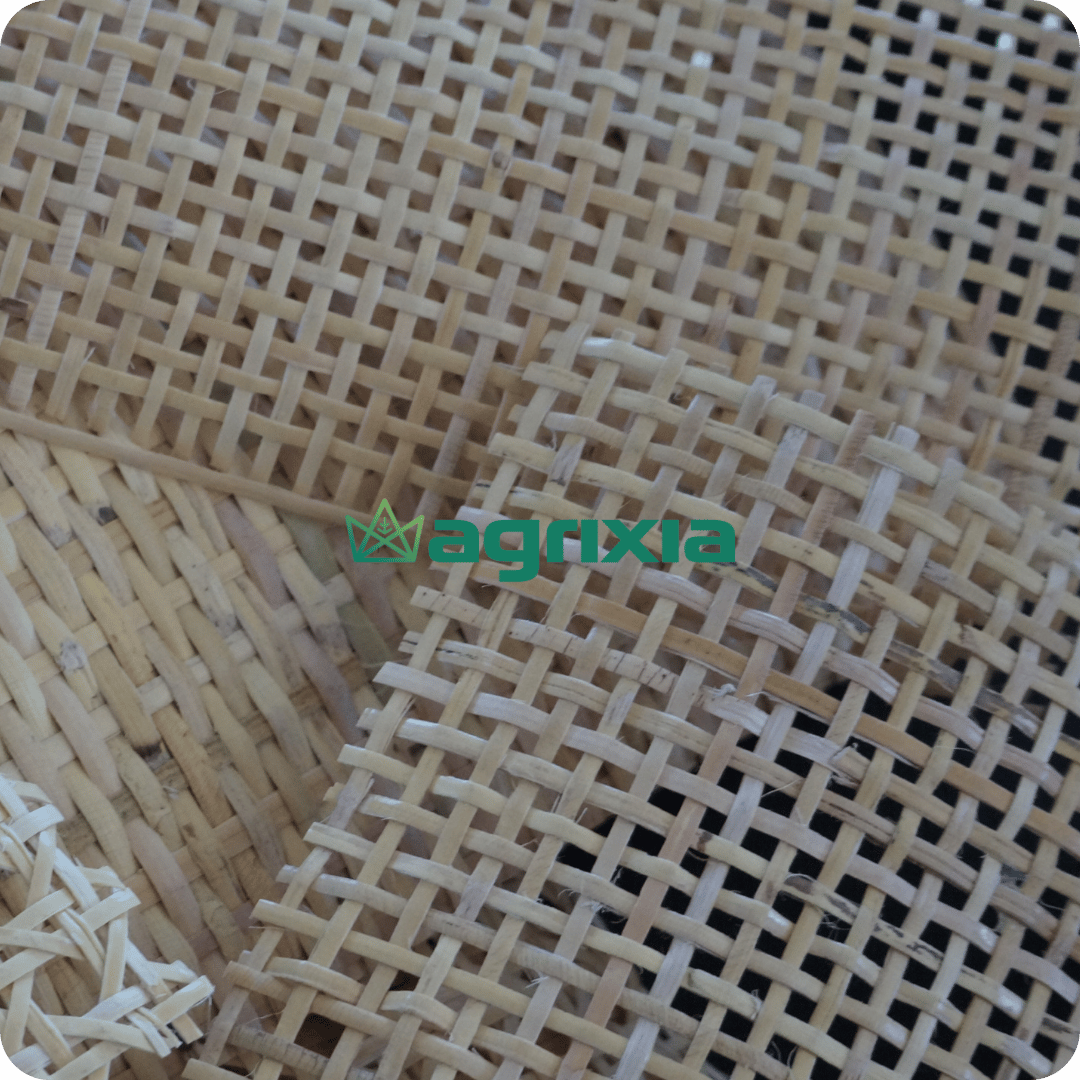
Rattan exports are generally categorized into raw rattan, semi-processed materials such as rattan poles and rattan webbing, and finished products including furniture and decorative items. Among these categories, rattan webbing demonstrates particularly strong growth due to its wide range of applications and compatibility with modern furniture design.
Indonesia as the Dominant Rattan Exporter
Export Volume and Supply Capacity
Indonesia remains the largest exporter of rattan products globally, accounting for a significant share of total international supply. The country’s export strength lies in its ability to supply large volumes consistently, supported by extensive raw material availability and a well-established production network. Indonesian rattan exports include raw materials, semi-finished components, and finished furniture products, with rattan webbing being one of the most demanded export items.
Key Export Destinations
Indonesia’s primary export destinations include the United States, European Union countries, Australia, and several markets in the Middle East. These regions value Indonesian rattan for its quality, reliability, and compliance with international standards. Long-standing trade relationships further strengthen Indonesia’s position as a preferred sourcing country.
Vietnam’s Role in the Global Rattan Market
Manufacturing and Re-Export Hub
Vietnam plays a significant role in the global rattan market, primarily as a manufacturing and re-export hub. While Vietnam has limited domestic rattan resources, it imports raw and semi-processed rattan materials from neighboring countries and converts them into finished furniture products for export. This manufacturing-focused approach allows Vietnam to compete in design-driven segments of the market.
Competitive Positioning
Vietnamese exporters are particularly strong in furniture assembly and mass production, serving buyers seeking large-scale manufacturing solutions. However, reliance on imported raw materials can expose suppliers to price volatility and supply chain risks.
China’s Position in Rattan and Cane-Based Products
Large-Scale Manufacturing Capabilities
China participates in the global rattan market mainly through large-scale furniture manufacturing and the production of synthetic rattan alternatives. In the natural rattan segment, China imports materials for processing and assembly, leveraging its extensive industrial infrastructure.
Market Focus and Limitations
While China offers high production capacity and efficient logistics, natural rattan products from China often compete on price rather than authenticity. For buyers prioritizing sustainability and natural material sourcing, this distinction plays an important role in supplier selection.
Major Import Markets by Country
United States
The United States represents one of the largest import markets for rattan products globally. Demand is driven by residential furniture, interior design projects, hospitality developments, and the DIY renovation sector. American buyers increasingly prefer natural rattan materials with verified sustainability credentials.
European Union
European countries such as Germany, the Netherlands, France, and the United Kingdom are major importers of rattan products. The European market emphasizes quality, sustainability, and compliance with environmental regulations, making it highly receptive to natural rattan webbing from trusted suppliers.
Australia and Oceania
Australia shows consistent demand for rattan furniture and interior materials, particularly in residential and coastal design projects. The market values durability, natural aesthetics, and ethical sourcing.
Middle East
Countries in the Middle East import rattan products primarily for hospitality, luxury residential, and commercial projects. Design-driven demand and large-scale developments contribute to steady import volumes.
Market Trends Influencing Rattan Trade by Country
Sustainability Regulations and Standards
Environmental regulations increasingly influence rattan trade flows. Countries with strict sustainability requirements tend to favor suppliers that offer transparency, responsible sourcing, and consistent quality. This trend benefits exporters with strong sustainability practices.
Design and Lifestyle Trends
Interior design trends vary by region, influencing product specifications and material preferences. While European markets may favor minimalist and Scandinavian designs, Middle Eastern and tropical markets often prefer richer textures and custom applications.
Opportunities and Risks in the Global Rattan Export Market
Opportunities for Exporters
Growing global demand for sustainable materials creates opportunities for exporters that can offer high-quality rattan webbing, consistent supply, and export-ready services. Market diversification and value-added processing further enhance competitiveness.
Supply Chain and Market Risks
Risks include fluctuating logistics costs, competition from synthetic materials, and regulatory changes. Exporters that invest in quality control, market intelligence, and long-term partnerships are better positioned to mitigate these challenges.
Conclusion: Strategic Insights for Global Rattan Trade
Global rattan export data and market analysis reveal a trade landscape shaped by sustainability, design trends, and regional demand patterns. Indonesia stands out as the dominant supplier, supported by strong natural resources and export expertise, while other countries contribute through manufacturing and re-export roles. For international buyers and industry stakeholders, understanding these country-specific dynamics is essential for building resilient supply chains and securing reliable rattan sourcing in a competitive global market.