

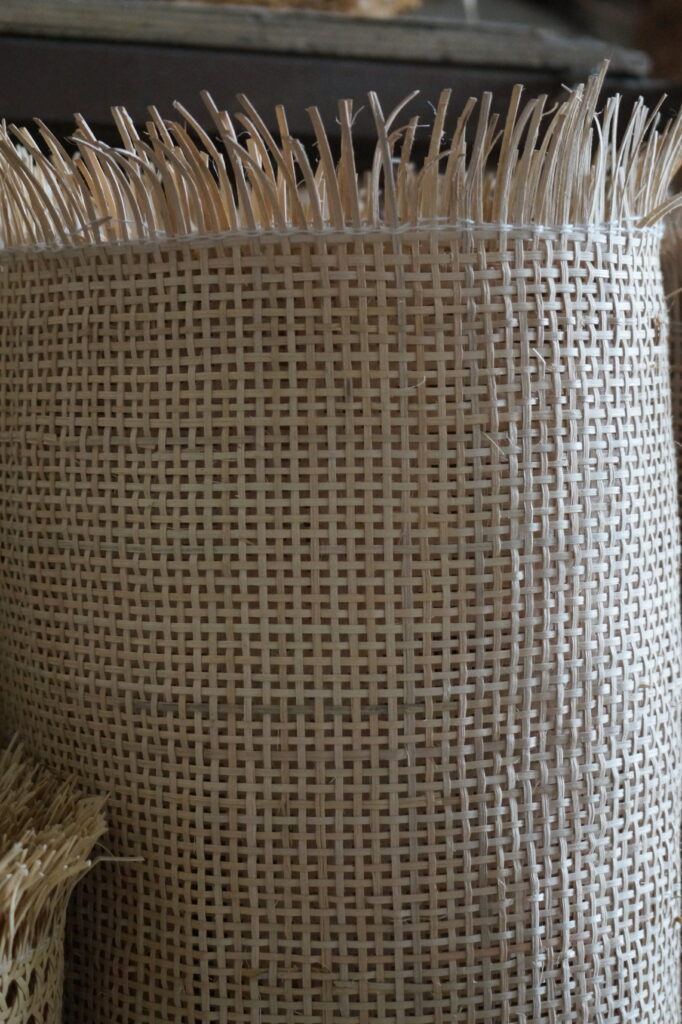
- What makes rattan webbing attractive for UK interiors?
- Is rattan webbing suitable for everyday furniture?
- Does rattan webbing cope well with indoor humidity in the UK?
- Is rattan webbing a good option for restoring furniture?
- Can rattan webbing support sustainable furniture production?
- Is rattan webbing difficult to source in the UK?
- Does rattan webbing suit both modern and classic UK styles?
Rattan webbing is often considered by UK buyers who want natural materials without sacrificing practicality. These are the key points people usually want to know before buying.
What makes rattan webbing attractive for UK interiors?
Rattan webbing adds visual warmth and texture, which balances the clean lines and muted tones common in UK interior design. It enhances a space without dominating it.
Is rattan webbing suitable for everyday furniture?
Yes. When installed correctly, rattan webbing is strong enough for daily use on chairs, cabinets (cupboards), and panels, both in homes and light commercial spaces.
Does rattan webbing cope well with indoor humidity in the UK?
Yes, in normal indoor conditions. Rattan webbing performs best in dry, well ventilated rooms and should be kept away from damp areas such as bathrooms.
Is rattan webbing a good option for restoring furniture?
Absolutely. Many UK restorers choose rattan webbing to refresh vintage chairs and cabinets, keeping the original character while improving comfort and appearance.
Can rattan webbing support sustainable furniture production?
Yes. Rattan grows quickly and is harvested responsibly, making it a preferred material for brands targeting eco-conscious UK consumers.
Is rattan webbing difficult to source in the UK?
Not necessarily. While some local retailers stock it, most UK buyers source rattan webbing from overseas suppliers to access more sizes, patterns, and consistent quality.
Does rattan webbing suit both modern and classic UK styles?
Yes. Its neutral look works equally well with contemporary furniture and traditional British designs.